
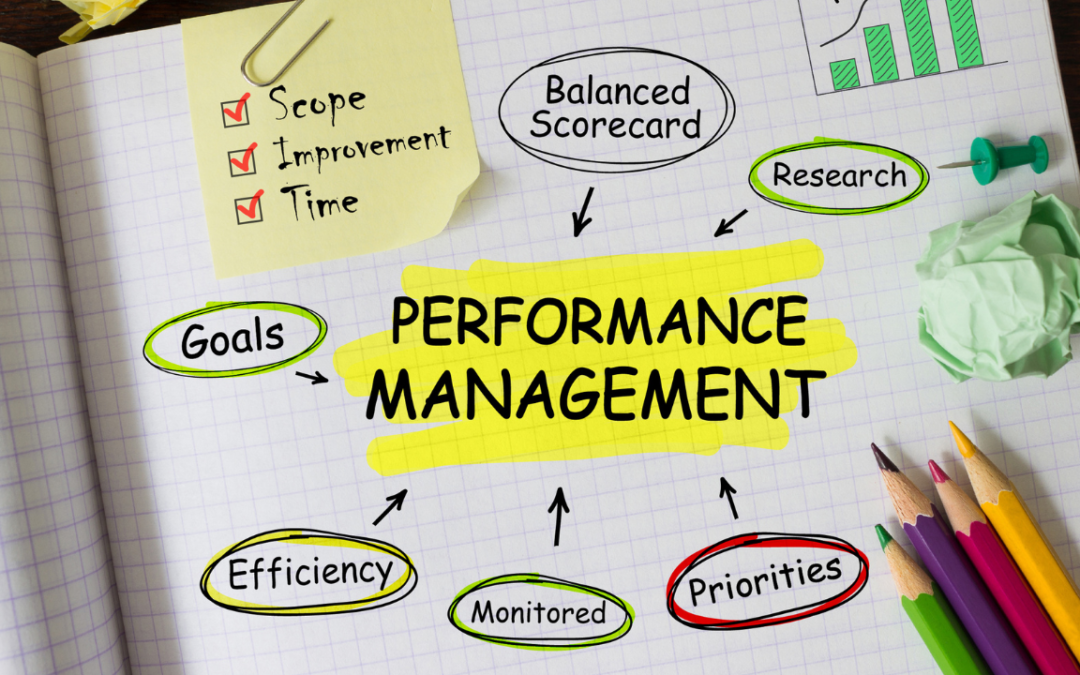
Introduction: Why Performance Management is Being Reinvented
For decades performance management meant one thing. An annual review, a rating, and a conversation that often felt disconnected from how employees actually worked throughout the year. Employees dreaded it. Managers rushed through it. And HR teams spent enormous time and resources running a process that rarely improved performance at all.
In 2026 that model is being dismantled. The shift toward hybrid work, the rise of AI powered tools, and a workforce that expects continuous feedback rather than once a year judgments have forced organizations to rethink performance management from the ground up.
Understanding the performance management trends shaping this year is essential for HR leaders who want to build systems that genuinely drive engagement, growth, and business results rather than simply checking a compliance box.
Why the Traditional Performance Review is Losing Relevance
The classic annual review model is increasingly seen as outdated and ineffective. Here is why organizations are moving away from it:
- Feedback arrives too late – A review delivered months after the fact does little to improve performance in real time
- Ratings create more conflict than clarity – Forced rankings and numeric scores often damage trust and morale rather than drive improvement
- Reviews become backward looking – Time is spent debating what happened months ago instead of focusing on what comes next
- Managers treat it as a compliance task – Without proper training, managers rush through reviews just to meet HR deadlines
- Employees disengage from the process – When reviews feel disconnected from daily work, employees stop seeing them as valuable
These shortcomings are exactly why performance management trends in 2026 are pushing organizations toward more dynamic and continuous approaches.

The Top Performance Management Trends Defining 2026
Organizations leading in this space are embracing a new set of practices. The most significant performance management trends this year include:
1. Continuous Feedback Over Annual Reviews
Organizations are replacing single annual reviews with ongoing check ins, giving employees real time insight into their performance throughout the year.
2. Goal Setting Tied to Business Outcomes
Frameworks like OKRs are being used to connect individual goals directly to organizational priorities, rather than generic competency checklists.
3. Coaching Focused Conversations
Performance discussions are shifting away from judgment and rating toward coaching conversations focused on growth and development.
4. Data Informed Decision Making
Organizations are using talent analytics, 360 feedback, and engagement data to inform performance decisions rather than relying on manager intuition alone.
5. Calibration for Fairness and Consistency
More organizations are introducing structured calibration processes to ensure performance ratings and decisions are consistent and equitable across teams.
The Business Risk of Outdated Performance Management
Sticking with outdated performance management approaches carries real consequences:
- Top talent disengages – High performers who do not receive timely feedback and growth opportunities often look elsewhere
- Bias goes unchecked – Without calibration and structured processes, inconsistent ratings can quietly damage trust and fairness
- Goals become disconnected from strategy – Generic performance metrics fail to drive the specific outcomes the business actually needs
- Manager credibility suffers – Employees lose confidence in managers who deliver vague or infrequent feedback
- Succession planning weakens – Poor performance data makes it difficult to identify and develop future leaders
These risks make it clear why performance management trends are shifting so significantly across organizations of every size.

Common Mistakes Organizations Make With Performance Management
Even organizations actively trying to modernize their approach often run into avoidable mistakes:
- Adding more frequent reviews without changing the substance – Simply increasing the frequency of outdated conversations does not solve the underlying problem
- Ignoring manager training – Without proper coaching skills, managers struggle to deliver meaningful feedback regardless of the process
- Overcomplicating the system – Overly complex frameworks with too many metrics overwhelm both managers and employees
- Disconnecting performance from career development – Employees disengage when performance conversations never lead to growth opportunities
- Failing to calibrate across teams – Without calibration, performance standards vary widely between managers, creating inconsistency and distrust
Avoiding these mistakes is critical for organizations trying to keep pace with current performance management trends.
How to Modernize Your Performance Management Approach
HR leaders looking to redesign performance management can follow this practical framework:
1. Shift to Continuous Conversations
Replace or supplement annual reviews with regular check ins that give employees ongoing visibility into their performance.
2. Align Goals to Strategic Priorities
Use frameworks like OKRs to ensure individual and team goals are directly connected to broader business objectives.
3. Train Managers as Coaches
Invest in developing manager capability to deliver feedback that is specific, timely, and growth oriented rather than purely evaluative.
4. Introduce Calibration Processes
Build structured calibration sessions to ensure consistency and fairness in how performance is assessed across teams.
5. Use Data to Inform Decisions
Incorporate 360 feedback, engagement data, and talent analytics into performance discussions to create a more complete picture of contribution.
6. Connect Performance to Career Pathways
Ensure that performance conversations consistently link to internal mobility, development opportunities, and succession planning.
What This Means for HR Leaders Going Forward
Performance management trends in 2026 make one thing clear. The organizations that succeed are not simply adjusting old systems. They are rebuilding performance management around continuous feedback, coaching, and alignment with business strategy.
HR leaders who lead this shift will create systems that employees trust, managers feel equipped to use, and that genuinely drive performance rather than simply measuring it after the fact.
Conclusion: The Future of Performance Management is Continuous and Strategic
The shift away from traditional annual reviews is not a temporary trend. It reflects a deeper change in how organizations think about performance, growth, and accountability. The performance management trends defining 2026 all point toward systems that are faster, fairer, more development focused, and more closely tied to business outcomes.
Organizations that embrace this shift now will build stronger talent pipelines, higher performing teams, and more resilient cultures. Those that hold onto outdated approaches risk losing their best people to organizations that have already modernized.
The direction is clear. The only question is how quickly your organization moves to meet it.