

Introduction: Leadership in a Machine-Driven World
Technology has always shaped leadership but never like this. AI isn’t just automating tasks; it’s reshaping decisions, redefining communication, and rewriting the expectations of what it means to lead. In this new world, efficiency is high, data is rich, and speed is unmatched. But there’s a silent risk.In the rush to become more AI-enabled, leaders may become less human. Conversations turn transactional. Decisions become algorithmic. And empathy, the heartbeat of meaningful leadership fades into the background. Yet, the leaders who will define the next decade won’t be the most automated. They will be the most human.
This article explores the emerging model of human-led, AI-powered leadership where technology enhances intelligence, not replaces connection. Where empathy is a strategic asset, not a soft skill. And where leaders don’t just adapt to the future they shape it with heart, intention, and humanity. We’ll uncover principles, real-world examples, and practical steps to help leaders stay deeply human even as their organizations become increasingly digital.
The Blind Spot: Technology Without Humanity
AI promises productivity, scalability, precision but without human leadership, it introduces new challenges:
- Empathy loss Leaders become screen-first instead of people-first.
- Emotional disconnect Teams feel unseen in a world run by dashboards and automation.
- Decision fatigue Algorithms optimize for efficiency, not ethics.
- Trust erosion Employees question whether leaders value people or performance.
This is the paradox:As AI grows stronger, human connection becomes more essential.Employees don’t resist technology; they resist feeling invisible.Customers don’t fear automation; they fear being reduced to data.The future belongs to leaders who bridge the gap.
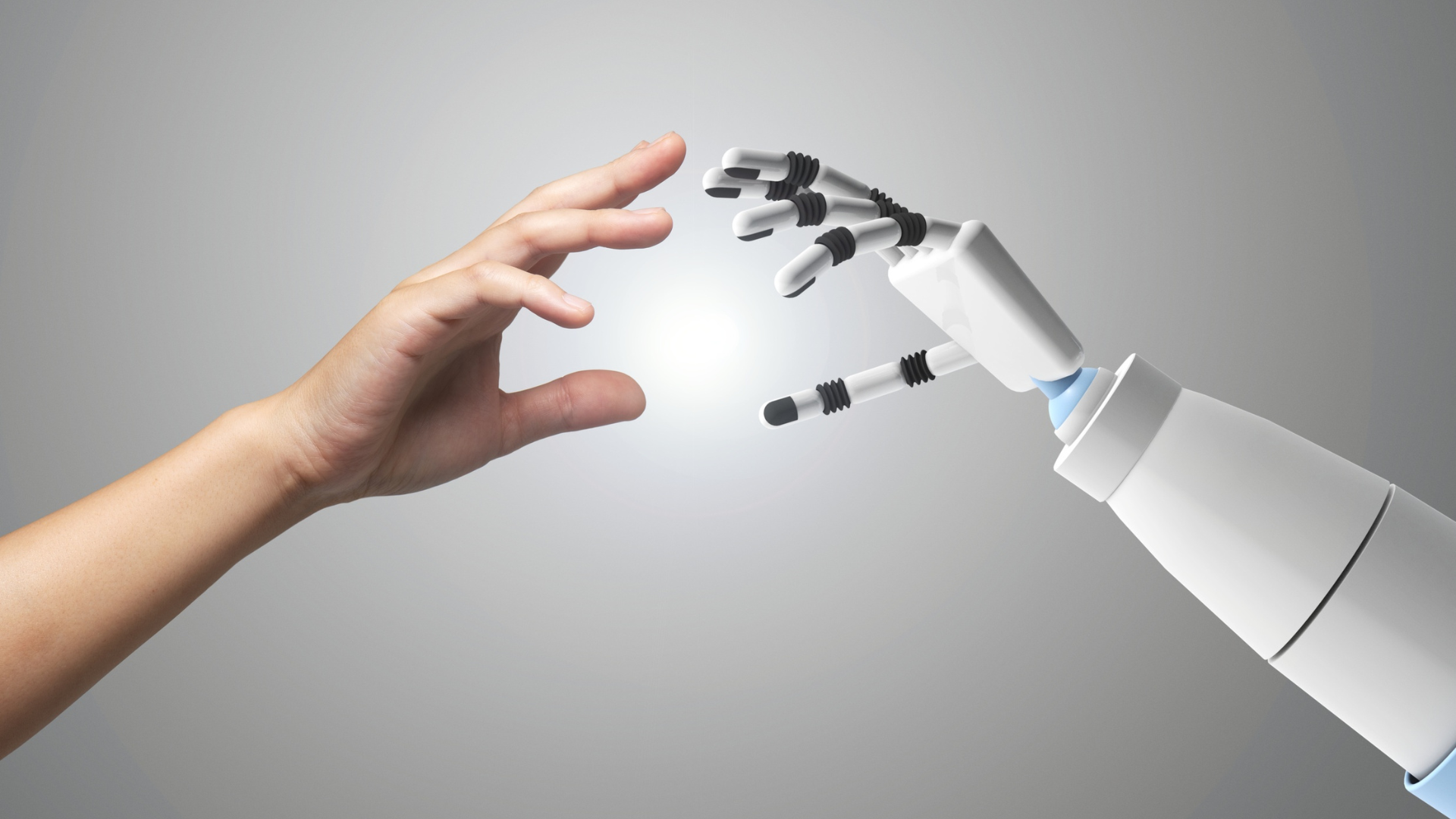
What It Means to Lead Human-Led, AI-Powered
Human-led, AI-powered leadership means using technology to enhance not replace the qualities that make us human:
Empathy, Integrity, Curiosity, Emotional intelligence, Judgment, Creativity, Presence.
This model is not about rejecting AI. It’s about ensuring AI serves people, not the other way around.A human-led, AI-powered leader:
- Uses AI for data, but trusts intuition for decisions.
- Automates tasks, but never relationships.
- Speeds up work, but slows down for people.
- Personalizes at scale without losing authenticity.
- Sees AI as a partner, not a replacement.
It’s a blend of machine intelligence and human compassion designed for a future where both matter.
Why Empathetic Leadership Wins in an AI Era
Here’s why empathy becomes your competitive advantage:
1. Empathy builds trust in times of transformation
AI adoption creates fear of job loss, irrelevance, and uncertainty. Empathy calms the noise, reinforces psychological safety, and builds alignment.
2. Empathy strengthens innovation
Teams take more risks when they feel understood and supported.
3. Empathy creates resilient cultures
Human connection is what carries teams through volatility and change.
4. Empathy enhances customer experience
AI handles efficiency. Empathy drives loyalty.
5. Empathy makes data meaningful
AI tells you what is happening. Empathy tells you why. AI gives you accuracy. Empathy gives you wisdom.

How Leaders Can Stay Human in a Tech-First Workplace
A truly human-led, AI-powered leader goes far beyond simply using tools they bring meaning, empathy, and purpose into a tech-driven environment. The first core behavior is communicating with context, not just data. Dashboards may present numbers, but leaders bring those numbers to life. Instead of simply sharing AI-generated insights, they interpret them, explain their relevance, and add stories or emotional framing so information feels relatable and actionable.
Another critical behavior is listening more deeply than ever before. While AI can analyze patterns, trends, and performance metrics, it cannot understand tone, hesitations, enthusiasm, burnout, or unspoken concerns. That emotional intelligence still belongs solely to the leader. Employees don’t want to feel analyzed; they want to feel heard, understood, and valued.
Leaders also use AI to remove noise so they have more time for human connection. Automation should streamline tasks such as reporting, scheduling, repetitive workflows, and routine queries. But it should never replace one-to-one conversations, coaching, recognition, or conflict resolution. When used correctly, AI expands a leader’s bandwidth rather than reducing their presence.
Another important shift is treating “human impact” as a real leadership metric. Just as organizations track revenue, productivity, and output, they should also measure trust, psychological safety, employee well-being, and relationship health. What leaders measure ultimately defines what their culture values so human impact deserves equal weight.
Finally, great leaders continually reinforce purpose in an AI-accelerated workplace. AI may speed up execution, but purpose clarifies meaning. When teams understand why their work matters, technology becomes something that empowers them rather than something that threatens them. In an era of rapid automation, its purpose not tools is to keep people connected, motivated, and aligned.
Operationalizing Human-Led, AI-Powered Leadership
To truly embed humanity into AI-driven workplaces, leaders must redesign systems not just improve individual behaviors. The shift toward human-centered leadership begins with thoughtful, people-focused AI adoption. Before introducing any new technology, leaders should ask whether it will make employees’ lives easier, whether it risks unintentionally dehumanizing workflows, and how they can ensure people still feel valued throughout the transition. The most sustainable approach is adopting AI with employees, not imposing it on them.
Another essential element of human-first systems is establishing strong ethical guardrails for technology use. As AI becomes more deeply woven into daily operations, leaders must define clear policies around privacy, data transparency, fairness, bias prevention, and accountability. In an automated world, ethical leadership is no longer a luxury it’s a non-negotiable responsibility.
Leaders must also ensure that product and service design remains human-led. AI can drive innovation, but people should always remain at the center. Whether designing user experiences, accessibility features, customer care processes, or inclusive systems, the goal is simple: tools must serve people, not the other way around.
Customer support offers another crucial opportunity to bring humanity forward. While AI can deliver speed, accuracy, and efficiency, only humans can understand nuance and emotion. The most effective support systems allow AI to handle quick answers and repetitive queries, while human agents take on sensitive, complex, or emotionally charged interactions.
Finally, leaders can strengthen a human-centered culture by introducing rituals that reinforce connection and shared purpose. Weekly gratitude moments, team reflection circles, values-based decision checkpoints, and intentional digital or offline connection practices help anchor the culture in humanity. Technology may accelerate processes, but rituals are what shape and sustain the soul of a workplace.

Case Studies: Leaders Who Stayed Human in a Tech-First World
Here are a few companies showing what human-led, AI-powered leadership looks like:
- Microsoft – AI With Responsibility and Empathy
Satya Nadella transformed Microsoft by grounding AI innovation in empathy. His leadership focus: “every person, every organization.”
Outcome: a culture shift toward collaboration, humility, and responsible innovation. Lesson: Empathy accelerates innovation not slows it.
- Airbnb – Humanizing Data at Scale
Airbnb uses AI for matching, search, and trust systems but its strongest asset is its commitment to human connection between hosts and guests. Lesson: Technology can enhance experiences, but humanity creates belonging.
- Zoom – People-First Design in a Tech Product
Zoom won globally not because of features, but because it solved real emotional needs: simplicity, connection, and presence. Lesson: Build for human emotions, not just user actions.
- Spotify – Blending AI Discovery With Human Creativity
Spotify’s algorithms personalize music but their brand thrives on human-curated storytelling, playlists, and emotional relevance. Lesson: AI scales. Humans resonate. Practical Habit Shifts for Empathetic, AI-Powered Leadership
Leaders can start with small actions:
-
Ask people how they feel, not just what they need.
-
Give recognition regularlyAI can’t do that authentically.
-
Slow the pace in meetings and relationships build in the pauses.
-
Default to transparency especially with AI decisions.
-
Protect space for creativity, conversations, and reflection.
In an AI world, your presence becomes your power.
Conclusion: Humanity Is the Ultimate Leadership Edge
AI is not the threat losing our humanity is. As technology accelerates, the leaders who will thrive are those who embrace AI while strengthening the human qualities that truly inspire people. Great leaders will use technology confidently, but they will deepen empathy, communicate with warmth, and ensure that innovation is grounded in ethics. They will stay present in conversations, curious in their learning, and intentional in how they guide their teams through uncertainty.Because while AI can process information, it cannot build trust, comfort a struggling employee, or create a sense of belonging. It cannot read the emotional undercurrent of a room or inspire people to grow beyond their limits. Only humans can do that.
The future belongs to leaders who balance intelligence with intuition, speed with sincerity, and automation with authentic connection. Leaders who understand that efficiency matters but empathy matters more. In a machine-driven world, human qualities like compassion, creativity, emotional intelligence, and moral clarity become the true competitive edge. So lead boldly. Lead wisely. Lead with empathy. Let AI give you power, clarity, and speed but never let it replace your humanity. The world may need technology, but it needs human-centered leaders even more.