

Introduction: Why Traditional Metrics No Longer Tell the Full Story
For years, organizations have relied on numbers like clicks, followers, impressions, or downloads to measure success. These vanity metrics looked impressive on dashboards, but they rarely reflected real business growth. In 2026, as competition rises and customer expectations shift, companies are learning that surface-level numbers don’t drive sustainable decisions or sustainable results.
Today’s most forward-thinking organizations are moving beyond “looking good on paper” and are adopting performance indicators that actually influence revenue, retention, customer experience, and operational efficiency. This blog explores the new generation of metrics that matter, why vanity metrics fall short, and how leaders can use deeper indicators to drive real growth in 2026 and beyond.
Why Vanity Metrics Are Losing Power
Vanity metrics have one thing in common: they are easy to track but hard to act on.
Teams often celebrated high impressions, large email lists, or big follower counts. But when leaders asked, “So what did this actually achieve?” The answers were vague. That’s because vanity metrics reflect activity, not impact and activity alone can’t guide decisions.
Here’s why organizations are moving past them:
• They don’t predict outcomes
A post with 50k likes doesn’t guarantee conversions, loyalty, or revenue. These metrics create excitement but offer little insight into what will happen next or what team actions are truly working.
• They inflate success without proving value
Vanity numbers look impressive in presentations, but they rarely show whether the business is growing in meaningful ways. Leaders need indicators tied to customer behavior and financial outcomes, not just digital visibility.
• They can mislead teams into chasing volume rather than quality
High traffic or high engagement can mask underlying issues like poor conversion or weak retention. Teams end up optimizing for popularity instead of business health.
• They ignore long-term customer behavior
Likes and views happen in seconds, but real business outcomes happen over months. Vanity metrics don’t capture whether customers stay, buy, return, or advocate.
This shift has made one thing clear: in 2026, measurement must be deeper, predictive, and tied to decision-making.
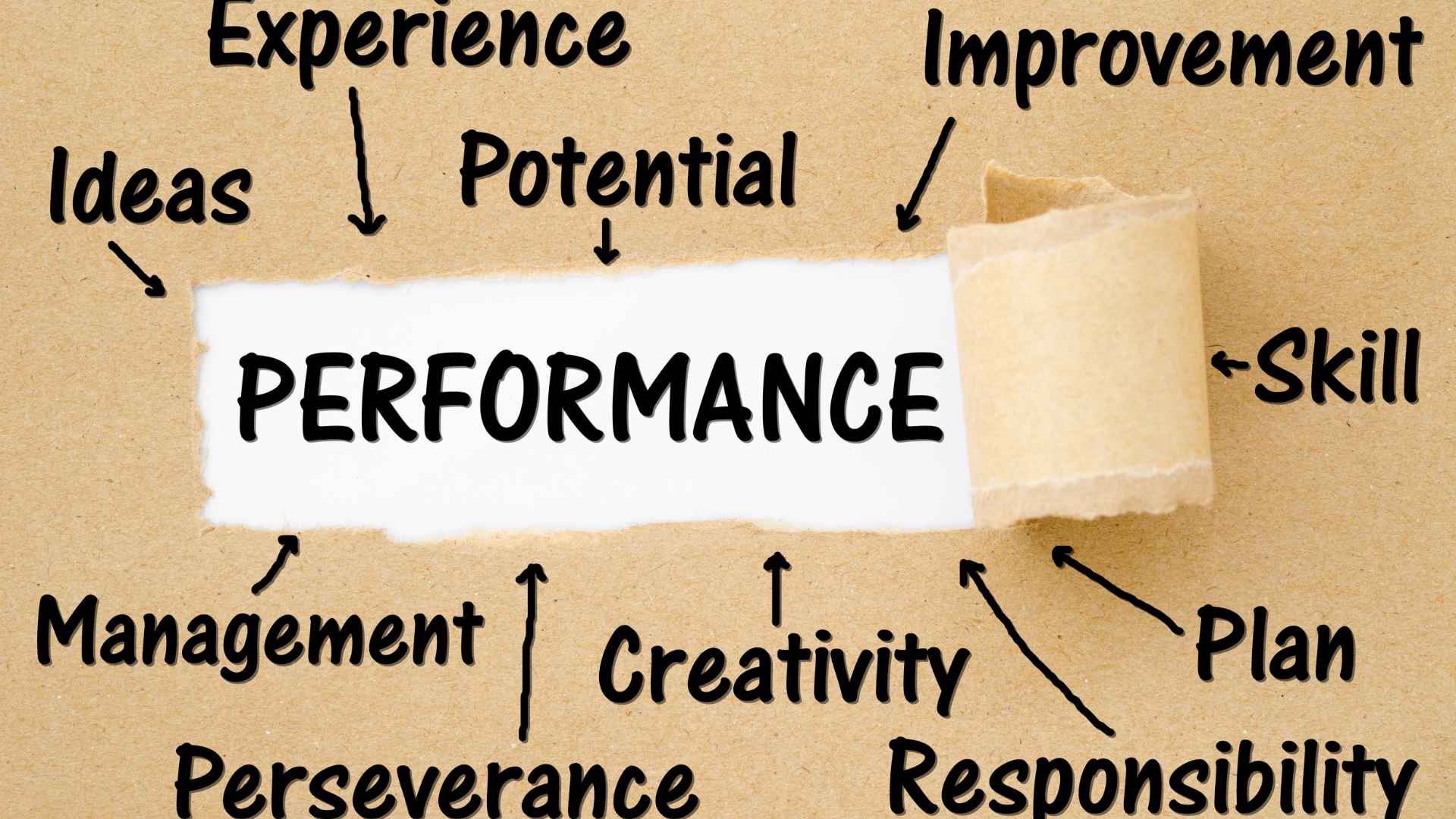
The New Performance Indicators That Actually Matter in 2026
The smartest organizations are moving toward metrics that reflect real engagement, real value, and real momentum. These indicators provide clearer direction, stronger alignment, and better foresight than the vanity numbers companies relied on for years.
- Customer Activation Rate
Customer activation tracks how quickly new users reach their first meaningful milestone — the moment they experience real value. Unlike sign-ups or downloads, activation tells you whether customers actually begin adopting your product or service. A higher activation rate means your onboarding is strong and your offering resonates, while a low rate signals friction early in the journey.
- Quality of Engagement, Not Quantity
Instead of measuring total likes, clicks, or views, companies now focus on depth — such as time spent, repeat actions, saved content, or multi-step engagement. These deeper behaviors show whether your content truly matters to your audience. High-quality engagement predicts stronger customer loyalty and better long-term retention.
- Customer Effort Score (CES)
The easier you make the customer’s experience, the more likely they are to convert, return, and recommend. CES measures the friction customers feel when completing a task. In 2026, businesses use CES to identify bottlenecks before they turn into frustration — optimizing the journey for speed, ease, and satisfaction.
- Behavioral Conversion Indicators
Rather than measuring only final conversions, companies now track the micro-actions that lead to a sale or decision. These indicators such as viewing a pricing page, adding to cart, or exploring product features reveal the customer’s true buying intent. They provide early signals that help teams refine messaging and reduce drop-offs.
- Retention and Recurring Value Metrics
Retention is no longer a post-purchase metric; it’s a primary indicator of product quality and customer satisfaction. Metrics like repeat usage, renewal likelihood, and ongoing value moments help leaders understand whether customers stay because they want to — not because they have to. Retention proves whether your offering delivers long-term impact.
- Revenue Efficiency Metrics (LTV/CAC, Payback Period)
Leaders need to know not just how much revenue is coming in, but how efficiently it’s generated. Metrics like Lifetime Value to Customer Acquisition Cost (LTV/CAC) and payback period show how sustainable and profitable growth truly is. These indicators help teams allocate resources strategically and ensure spending leads to meaningful returns.
- Leading Performance Indicators (LPIs)
Unlike lagging metrics that tell you what already happened, LPIs show what’s likely to happen next. These include early-stage behavioral shifts, pipeline signals, trial-to-adoption trends, and operational performance markers. LPIs give leaders predictive visibility and help them take action before problems or opportunities escalate.
How These Modern Metrics Transform Decision-Making
Once organizations shift away from vanity numbers, decisions become sharper and more strategic.
Leadership gains clarity
Better metrics reveal what’s truly working and where the biggest opportunities lie. Leaders can confidently invest in ideas and teams that show real momentum and impact.
Teams gain alignment
When everyone understands what matters, efforts become more coordinated. Teams stop chasing superficial wins and start building systems that drive long-term performance.
Customers benefit from better experiences
Measurement that focuses on friction, satisfaction, and behavior helps organizations create experiences people enjoy, not just experiences people scroll past.
Businesses create predictable growth
With LPIs and behavioral insights, organizations can anticipate outcomes, reduce risk, and scale faster with far more accuracy.

The Pitfalls of Relying on Vanity Metrics in 2026
Even today, some organizations still fall into predictable traps:
• Celebrating “big numbers” instead of real results
This creates a false sense of progress and distracts teams from areas that need attention.
• Making decisions based on surface-level patterns
Without deeper indicators, strategies become reactive instead of predictive.
• Optimizing for visibility, not value
More awareness doesn’t lead to more growth unless the experience converts and retains.
• Failing to detect early warning signals
Vanity metrics hide declining engagement, shrinking retention, and weakening product-market fit.
Avoiding these traps is essential for staying competitive in the next generation of business performance.
Building a Metric System That Actually Drives Growth
To shift from vanity metrics to meaningful indicators, organizations must redesign how they measure success.
1. Align metrics with business outcomes
Every indicator should connect to revenue, retention, experience, or operational stability. If it doesn’t drive decisions, it doesn’t belong in the dashboard.
2. Build cross-functional measurement rituals
When teams review metrics together weekly or monthly it strengthens alignment and reduces blind spots. Shared dashboards create shared ownership.
3. Make leading indicators the priority
LPIs provide a head start on decisions. By tracking early movement, teams prevent issues before they grow and accelerate what’s already working.
4. Replace volume metrics with value metrics
Shift from counting clicks and views to measuring actions that demonstrate interest, intent, or satisfaction. Depth matters more than quantity.
5. Add behavioral analytics across the customer journey
Understanding how customers move, pause, or drop off reveals the truth behind performance. Behavior always predicts outcomes better than impressions.
6. Celebrate progress that matters
Recognize teams for improving activation, retention, efficiency, and customer ease not just for driving vanity numbers.
When the right metrics are celebrated, the right behaviors follow.

Conclusion: The Future Belongs to Organizations That Sustain Momentum
In 2026, organizations can no longer afford to be impressed by numbers that look good but don’t change anything.
The future belongs to teams that measure:
- impact instead of impressions
- quality instead of volume
- behavior instead of assumptions
- intent instead of popularity
- retention instead of reach
- efficiency instead of activity
The companies that master these new indicators will innovate faster, delight customers more consistently, and make far smarter decisions than competitors still trapped in vanity metrics.Because growth isn’t a numbers game anymore it’s a clarity game.And clarity comes from measuring what truly matters.