

Introduction: Why Momentum Is the Real Driver of Successful Change
In the last decade, organizations have launched major transformations, digital overhauls, cultural shifts, and structural redesigns. Yet most failures don’t happen because the strategy was weak; they happen because the momentum disappears halfway. As change stretches over months or years, enthusiasm fades, priorities shift, and the journey begins to feel endless.
But in 2026 and beyond, the organizations that thrive will be those that understand momentum as a science, something measurable, intentional, and continuously fueled. Momentum becomes the invisible force that keeps teams inspired, focused, and emotionally invested long after the initial excitement fades. This blog explores that science and how leaders can sustain it through the entire transformation journey.
The Reality of Transformation Fatigue
Most transformation efforts don’t collapse dramatically; they fade slowly. Teams start with excitement and clarity, but as results take longer than expected and challenges pile up, the energy begins to evaporate. People slip back into old habits, execution slows down, engagement decreases, and the sense of progress becomes blurry.
This fatigue doesn’t happen because people dislike change, it happens because they stop feeling the progress. When the journey becomes uncertain or invisible, motivation weakens and momentum stalls. The most successful teams are the ones that recognize this early and build systems to counteract it.
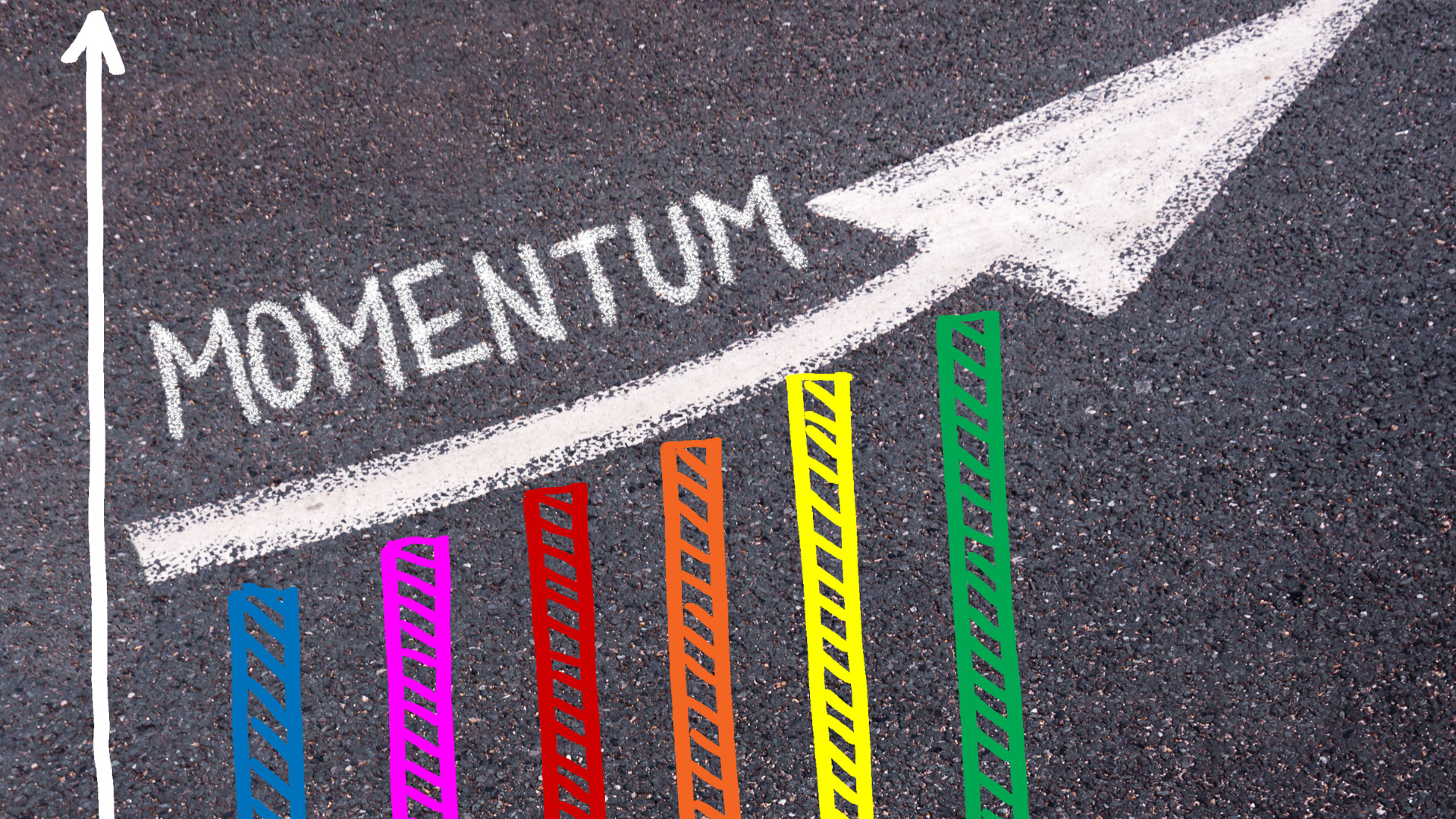
Laying the Foundation for Lasting Change Momentum
Momentum doesn’t appear by accident; it is shaped from the beginning through clarity, structure, and emotional grounding.
A Unified Story That Everyone Believes In
Teams stay committed when they understand exactly why the change is happening, what the future looks like, and how it will impact their daily work. A clear narrative gives people direction when challenges arise and becomes the anchor that keeps everyone aligned and emotionally invested.
Psychological Safety That Encourages Honest Participation
Momentum thrives in environments where people feel safe to ask questions, admit struggles, and give constructive feedback. When employees know they won’t be judged for uncertainty, they stay engaged longer and move through change with confidence instead of fear.
A Clear First Step That Reduces Overwhelm
While long-term change can feel overwhelming, teams build momentum when the immediate next steps are simple and actionable. By clarifying the first 30–60 days with specific behaviors and achievable wins, leaders convert ambition into movement.
Visible Progress That Reinforces Belief
Teams are more motivated when they can see how far they’ve come and what their efforts are accomplishing. Consistent updates, transparent wins, and measurable indicators make progress feel tangible, turning belief into speed.
Applying Momentum Principles Across the Organization
Once the foundation is set, every department becomes capable of sustaining energy throughout the transformation.
Leadership: Becoming the Source of Energy and Stability
In long transformations, leaders become the emotional backbone of momentum. Their conviction, consistency, and communication create the tone that teams mirror. When leaders offer encouragement during setbacks, highlight progress publicly, and reinforce purpose when morale dips, they ensure the transformation keeps its forward motion.
Teams: Turning Change Into Habit Instead of Effort
Momentum doesn’t survive through motivation alone it survives through habits. Teams stay strong when new behaviors become part of their routine rather than a temporary push. When people track their progress, hold each other accountable, and see improvement becoming part of their identity, momentum becomes sustainable instead of fragile.
Communication: Making the Journey Feel Alive and Connected
The biggest momentum killer is silence. Consistent, transparent communication keeps teams aligned and reduces anxiety around uncertainty. When leaders share honest updates, explain delays openly, and amplify success stories across the organization, they create a sense of shared movement and reinforce the belief that the transformation is working.
Culture: Turning Momentum Into a Collective Language
A transformation becomes unstoppable when momentum becomes cultural when teams expect change, embrace learning, and celebrate progress together. Cultures built on curiosity, collaboration, and resilience naturally generate ongoing movement, even when motivation dips or obstacles appear.

Momentum Pitfalls That Slow Down Transformations
Momentum can fade quickly when organizations overlook predictable risks. Celebrating early wins as if the transformation is complete creates complacency, while inconsistent reinforcement makes teams feel unsupported in their new behaviors. Overloading people with too many simultaneous priorities creates exhaustion, and ignoring emotional resistance makes the journey feel lonely. Most importantly, when progress isn’t made visible, people assume it isn’t happening.
Avoiding these pitfalls ensures that enthusiasm and commitment stay strong from beginning to end.
Building a Culture Where Momentum Sustains Itself
Organizations that master momentum create environments where progress never becomes invisible and energy never becomes optional. When leaders embed change into everyday routines, highlight wins frequently, and give teams ownership over the journey, momentum moves from something leaders push to something the organization naturally maintains.
Momentum also becomes stronger when each department has champions who amplify progress, reinforce behaviors, and help teams navigate challenges with clarity and confidence. These “momentum carriers” make sure energy flows across the organization, not just from the top.

How to Begin Even if Your Transformation Has Already Slowed
It’s never too late to reignite momentum, even in a stalled transformation. The first step is diagnosing where the energy dropped whether it’s unclear goals, communication gaps, or overwhelming workloads. Once the issues are visible, leaders can reset the narrative, introduce new short-term wins, and redesign routines to make progress more consistent and visible.
Momentum begins to rebuild when teams see new life in the journey when updates become more transparent, expectations become clearer, and small victories start stacking up again. As progress becomes visible and behaviors are reinforced daily, momentum gradually shifts from weak and wavering to strong and self-sustaining.
Conclusion: The Future Belongs to Organizations That Sustain Momentum
Transformations don’t succeed because they begin beautifully, they succeed because they maintain momentum long enough to reshape reality. The organizations that thrive in 2026 and beyond will be those that sustain energy through uncertainty, reinforce purpose throughout the journey, and create systems where progress is continually visible. The future belongs to teams that understand momentum as a strategic advantage. From short bursts of excitement to long-term endurance. From early enthusiasm to continuous commitment. From starting strong to finishing stronger. Because meaningful change doesn’t depend on speed. It depends on the power to keep moving forward, together, long after the excitement fades.